Process

A structured law firm website process, from architecture to discoverability

Dailo approaches legal website work as a connected system. The process starts with structural clarity, then moves into build quality, visibility foundations, and conversion improvement so the site can support better-qualified enquiries over time.

Dailo helps law firms by clarifying page intent first, then improving website structure, build quality, SEO, AEO, technical SEO, AI visibility, and enquiry pathways around that structure. It is a specialist legal website and discoverability process, not a generic agency checklist.
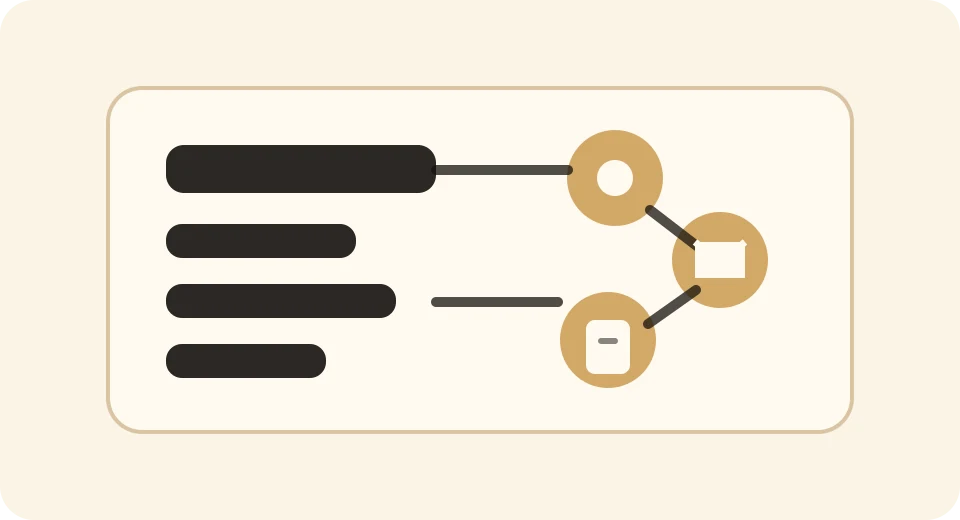
A legal website visibility system showing website structure, search, AI discovery and enquiry quality working together.
A useful law firm website has to connect structure, search visibility, AI discoverability and enquiry quality rather than treating them as separate projects.
Step 1

Review the current website and commercial priorities

The first stage is understanding what the firm is trying to grow, where the current site is underperforming, and which pages, practice areas, or enquiry paths matter most commercially.

  • current website structure and page quality
  • practice areas, locations, and growth priorities
  • trust gaps, intake friction, and thin service pathways
Step 2

Map the page architecture before expanding content

Dailo prioritises information architecture before content scale. That means defining the main service routes, support pages, internal-link paths, and user journeys the legal website actually needs.

  • service-page hierarchy and navigation logic
  • supporting pages for trust, process, FAQs, and insights
  • internal-link structure for SEO, AEO, and topic clarity
Step 3

Build or rebuild the right pages

Dailo then builds, restructures, or rebuilds the pages that shape visibility and trust, including homepage messaging, service pages, credibility pages, landing pages, multilingual sections, and contact or intake routes.

Step 4

Strengthen technical and retrieval foundations

Once the structure is right, the site is improved for crawlability, metadata quality, canonicals, schema, page speed, answer extraction, and machine-readable clarity so the right page is easier to retrieve.

Step 5

Improve enquiry quality over time

The process does not stop at launch. Dailo uses ongoing refinement to improve content depth, sharpen calls to action, and reduce avoidable leakage between visibility and actual enquiry quality.

Answer-first summary

One page, one main intent

Each core page is designed around a clear job, such as explaining a service, supporting trust, answering a specific question, or driving a relevant enquiry path. That reduces overlap and makes retrieval easier.

Technical discipline

Metadata, schema, and crawlability follow the architecture

Dailo aligns titles, canonicals, breadcrumbs, internal links, and structured data with the page purpose so search engines and answer engines receive consistent signals.

Conversion quality

Visibility work should support better enquiries

The process connects discoverability to trust and intake design, so stronger rankings or answer-surface visibility are tied back to clearer commercial pathways.

Process outputs

What a law firm should receive from the process

The process should leave the firm with practical website decisions, not just broad recommendations. These outputs help owners, partners, practice managers, and marketing teams see what will be built, cleaned up, or improved next.

Website structure map

Website structure map

A clear page hierarchy showing priority services, supporting resources, credibility pages, and enquiry routes before copy or design is expanded.

Visibility foundation check

Visibility foundation check

A practical review of metadata, schema, internal links, technical SEO, crawlability, and answer-engine clarity against the intended page architecture.

Enquiry-path improvement list

Enquiry-path improvement list

A focused list of contact-page, landing-page, FAQ, trust-signal, and intake changes that can improve enquiry quality without overstating outcomes.

Route selection

The process changes depending on the firm's constraint

Dailo does not push every law firm into the same website project. The first useful decision is whether the site needs a rebuild sequence, a visibility sequence, or a conversion sequence, then the page architecture can be scoped around that route.

Rebuild sequence

Rebuild sequence

For firms with dated structure, weak service architecture, or a site that cannot safely support SEO and AI visibility work.

View this route

Visibility sequence

Visibility sequence

For firms with a usable site that needs clearer service pages, technical SEO, answer-first content, AEO, GEO, or AI discoverability support.

View this route

Conversion sequence

Conversion sequence

For firms attracting traffic but losing enquiry quality through unclear landing pages, thin contact context, or high-friction intake paths.

View this route

Before work starts

Project readiness inputs for a law firm website process

A stronger process starts with the decisions that affect structure, compliance review, launch sequencing, and enquiry quality. These inputs help Dailo keep the project practical for partners, practice managers, marketers, and developers.

Current website and priority matters

Current website and priority matters

The existing domain, the services or matter types the firm wants to grow, and any pages that already attract qualified enquiries.

Known constraints

Known constraints

Whether the constraint is design quality, development flexibility, thin SEO structure, technical SEO, multilingual clarity, or enquiry-path friction.

Decision owners and review needs

Decision owners and review needs

Who inside the firm needs to approve structure, legal wording, trust signals, intake wording, and launch timing before the site changes go live.

Decision checkpoints

Checkpoints that keep the process practical for a law firm

Before Dailo moves from structure into build, visibility, or conversion work, the project should have clear page roles, legal review ownership, and post-launch measurement. That keeps the website process focused on commercial priorities without creating generic agency deliverables.

Confirm page roles before design work

Confirm page roles before design work

Decide which pages must sell, explain, reassure, answer, or route enquiries before wireframes and copy are expanded.

Define post-launch measurement

Define post-launch measurement

Agree how enquiry quality, crawlability, indexation, internal-link movement, and content expansion priorities will be reviewed after launch.

What the process is designed to avoid

Generic redesigns without strategic structure

Law firm websites often get refreshed visually without fixing the deeper issues that hold back performance. Dailo avoids that by treating structure, visibility, trust, and conversion as connected decisions instead of separate projects.

See the website visibility method.

Where this connects

Linked service pathways

The process can lead into website design, development, technical SEO, AEO, AI visibility, rebuild planning, landing pages, or intake and conversion improvements depending on where the current site is weakest.

Website build or rebuild: Use when the site architecture, templates, or CMS foundation need to be rebuilt before visibility work can compound.
SEO, AEO, GEO, and AI visibility: Use when the site foundation is workable but the service hierarchy, answer structure, schema, and discoverability signals need improvement.
Landing pages and intake conversion: Use when campaigns, referrals, multilingual pathways, or contact pages need clearer trust and next-step structure.
How engagement usually starts

Bring the current site, the growth priority, and the constraint

The process works best when a firm shares the current domain, the priority services or markets, and whether the main issue is structure, discoverability, or enquiry quality.

Company details

Dailo Pty Ltd

Office: Level 26, 44 Market Street, SYDNEY NSW 2000

Email: info@dailo.com.au

Dailo works as a specialist legal website and visibility partner for law firms, not a law firm and not a generic web agency.

Process FAQ

Common questions about the Dailo process

These answers stay visible on the page so the FAQ schema reflects real user-facing content and the process route remains easy to scan in search and answer-engine contexts.

What does Dailo look at first in a law firm website project?

Dailo starts with the firm's current website structure, service hierarchy, trust gaps, and enquiry pathways before recommending design, development, SEO, or rebuild work.

Does the process only apply to full website rebuilds?

No. The same process can support a full rebuild, a service-page architecture project, technical SEO improvements, landing-page work, or tighter intake and conversion pathways.

Why does Dailo focus on structure before content expansion?

Law firm websites usually perform better when page intent, internal linking, and service hierarchy are clear first. That gives content, SEO, answer-engine retrieval, and conversion improvements a stronger foundation.
Contact Dailo

Talk to Dailo about your next website stage

If your firm already knows the site is underperforming but needs a clearer sequence for structure, rebuild, visibility, and conversion improvements, contact Dailo with your current website and priorities.

OfficeLevel 26, 44 Market Street, SYDNEY NSW 2000